Your Underwater Adventure Starts Here
Best snorkeling Key West offers two distinct paths: exploring from shore at accessible beaches or venturing offshore to North America’s only living coral reef. Both have their place, but they deliver very different experiences.
Top Key West Snorkeling Spots:
- Fort Zachary Taylor State Park – Best shore snorkeling with rock jetties and breakwaters
- Sand Key Lighthouse Reef – Clear offshore reef with healthy coral and sea turtles
- Looe Key Reef – National Marine Sanctuary with exceptional fish diversity
- Dry Tortugas National Park – Remote paradise 70 miles offshore with pristine conditions
- Eastern Dry Rocks & Rock Key – Dramatic coral canyons and abundant marine life
- Backcountry Sandbars – Shallow mangrove ecosystems perfect for beginners
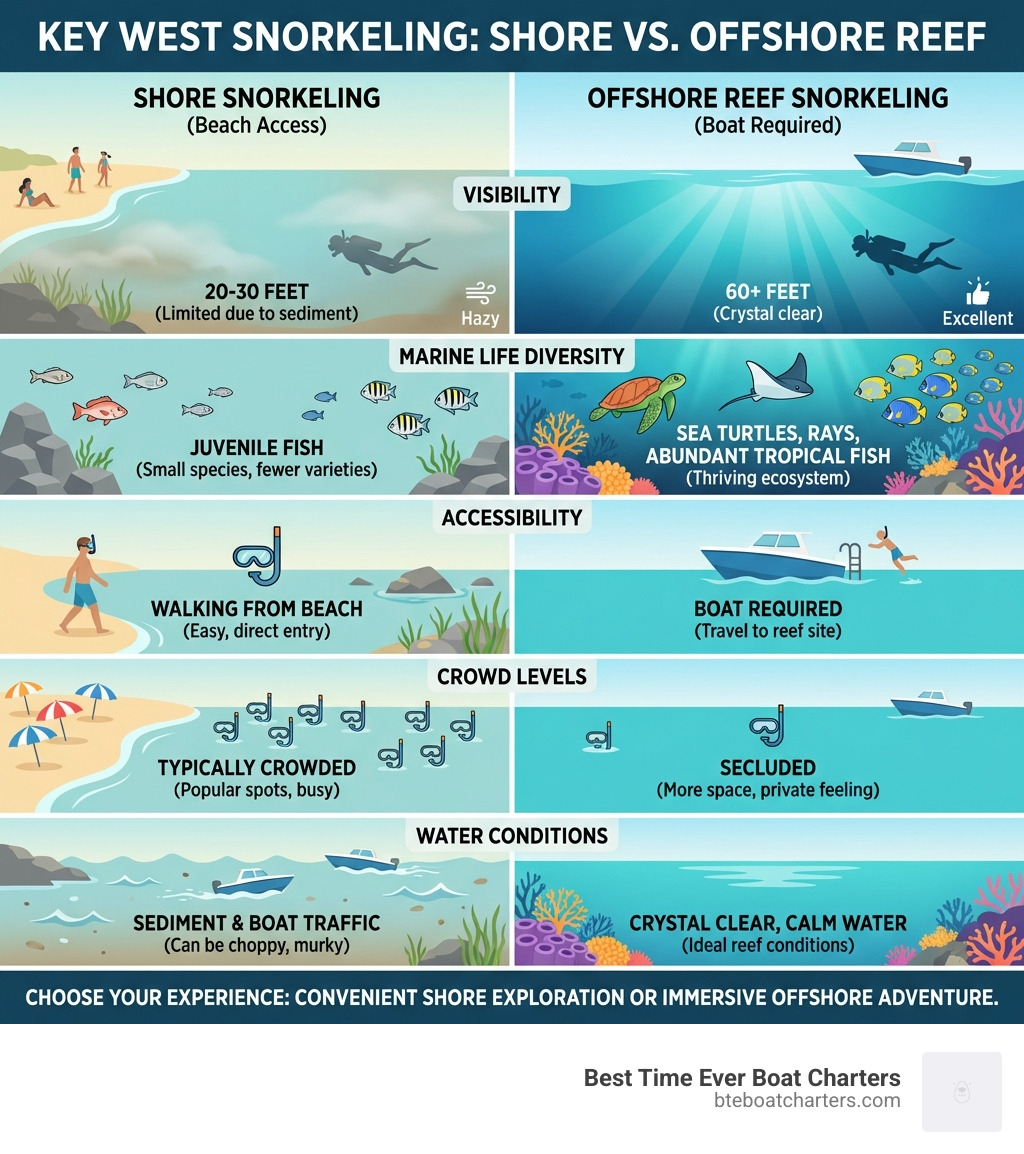
Shore snorkeling gives you convenience and low cost—you can walk right in at Fort Zachary Taylor or Higgs Beach. But visibility is limited (usually 20-30 feet on a good day), and you’ll see mostly juvenile fish around rock piles.
Offshore reefs are a different world entirely. The water clarity jumps to 60+ feet. You’re swimming over thriving coral gardens with sea turtles, rays, and hundreds of tropical fish. It’s the difference between snorkeling and really snorkeling.
Most visitors don’t realize the best spots aren’t accessible from shore at all. They’re 6-7 miles offshore, reachable only by boat.
I’m Patrick Carleton, and I’ve spent years running private charters to Key West’s best snorkeling sites—from hidden backcountry sandbars to the vibrant offshore reefs. I’ve seen what makes each location special and which spots consistently deliver the best snorkeling Key West has to offer.
Why Key West’s Underwater World is So Special
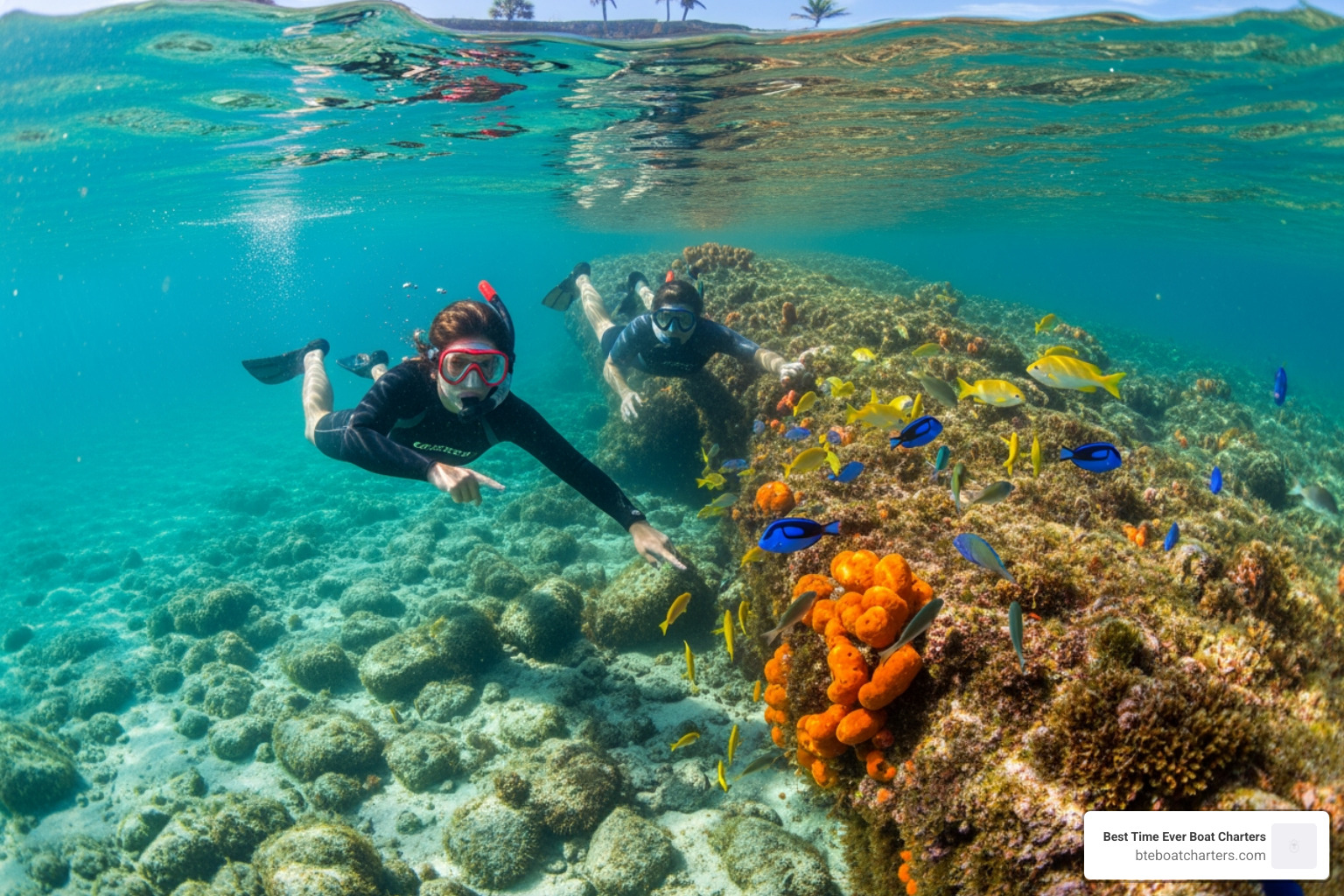
Key West isn’t just about sunsets and lively streets; it’s also a gateway to an extraordinary underwater world. We’re incredibly lucky to be home to North America’s only living coral barrier reef, part of the larger Florida Reef System. This isn’t just any reef; it’s a 350-mile stretch of vibrant, living coral, teeming with life.
This unique ecosystem supports an astonishing diversity of marine life. Over 1,400 species of plants and animals thrive here, creating a busy underwater city. Imagine swimming alongside schools of colorful tropical fish, spotting graceful sea turtles, or even catching a glimpse of a gentle nurse shark. It’s an experience that truly connects you with nature.
The warm water temperatures here make for year-round snorkeling comfort. In the summer, the water can reach a balmy 85 degrees Fahrenheit! This consistent warmth, combined with the sheer abundance of marine habitats, from shallow patch reefs to deeper coral gardens, ensures that every snorkeling trip offers something new and exciting.
Shore Snorkeling vs. Offshore Reefs: What’s the Real Deal?
When you’re planning your snorkeling adventure in Key West, you’ll encounter two main options: snorkeling directly from the shore or taking a boat out to the offshore reefs. While both offer a chance to get wet and see some fish, the experience can be dramatically different.
Let’s break down the pros and cons so you can decide what’s right for your trip:
| Feature | Shore Snorkeling | Offshore Reefs |
|---|---|---|
| Accessibility | Walk right in from the beach | Requires a boat trip |
| Cost | Free (park entry fees may apply) | Tour cost or private charter fee |
| Visibility | Often limited (20-30 feet on a good day) | Crystal-clear (up to 60+ feet) |
| Marine Life | Mostly juvenile fish, crabs, sponges, seagrass | Abundant tropical fish, sea turtles, rays, healthy coral |
| Coral Health | Patchy, less vibrant, often around artificial structures | Thriving, diverse, and colorful coral formations |
| Crowd Levels | Can be crowded, especially at popular beaches | More secluded, especially on private charters |
| Effort | Easy, no travel time beyond getting to the beach | Travel time to reach the reef |
| Experience | Casual, good for beginners/practice | Immersive, vibrant, unforgettable |
Shore Snorkeling:
- Pros: It’s incredibly convenient and low-cost. You can simply walk into the water at places like Fort Zachary Taylor State Park or Higgs Beach. It’s a great way to practice your snorkeling skills or enjoy a casual dip.
- Cons: The biggest drawback is often lower visibility due to sediment and boat traffic. The marine life tends to be less diverse and vibrant compared to offshore, often gathering around artificial structures like rock jetties or old piers. It can also get quite crowded.
Offshore Reefs:
- Pros: This is where you’ll find the crystal-clear water and truly abundant wildlife. The coral is healthier, more colorful, and forms intricate structures. On a private charter, you’ll also find a level of seclusion that’s impossible to get at a public beach. It’s a truly immersive experience that leaves a lasting impression.
- Cons: The main “con” is that it requires a boat to access. This means more planning and a higher cost than simply walking into the water from shore. However, for a truly spectacular snorkeling experience, we believe it’s worth every bit of effort.
For those looking for the ultimate Key West experience, the offshore reefs are truly special. We believe that some of the most memorable moments in Key West are found when you venture beyond the shore. Find more about The Ultimate Key West Bucket List Experiences You Can Only Have By Boat.
The Best Snorkeling in Key West: Top Spots to Explore
Whether you prefer the ease of shore access or the adventure of a boat trip to pristine reefs, Key West offers incredible snorkeling opportunities. Let’s explore some of our favorite spots.
Your Guide to the Best Snorkeling in Key West from Shore
While offshore reefs offer the most vibrant experiences, there are still some great spots if you want to snorkel right from the beach. These are perfect for a casual dip, practicing your skills, or if you prefer to stay closer to land.
Fort Zachary Taylor State Park
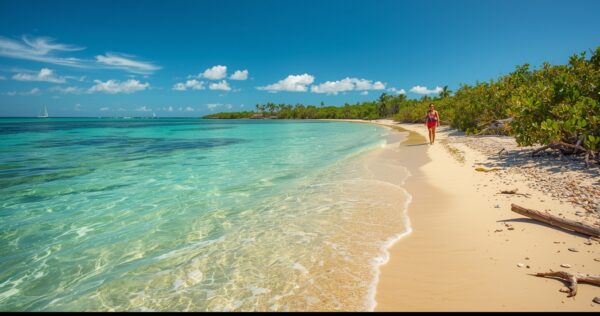
This state park consistently ranks high for shore snorkeling, and for good reason. Located on the southernmost tip of the island, Fort Zach boasts a unique beach composed of coral and crushed shells.
- What you’ll see: The magic here is around the rock jetties and breakwaters, which were originally placed to protect the historic fort. These rocks have become a haven for marine life, attracting juvenile fish, parrotfish, angelfish, and even some small corals and sponges. You might spot yellowtail snapper, lobsters, and various wrasse.
- Conditions: The entry is easy, and you can swim alongside the breakwaters. Just be mindful of currents, which can sometimes be present, and stay within the swim buoy markers to avoid boat traffic. Visibility can be 20 feet or less, but it’s still a fantastic option.
- Amenities: The park offers facilities like restrooms, picnic areas, and a small cafe. You can also rent snorkel gear right there if you don’t have your own. Plus, you can explore the historic fort itself, which dates back to the Civil War, adding a unique historical layer to your visit. Learn more about Fort Zachary Taylor State Park.
Higgs Beach
Just a short distance from Fort Zachary Taylor, Higgs Beach offers another convenient shore snorkeling option.
- What you’ll see: While not as rich as offshore reefs, Higgs Beach has an old pier that acts as an artificial reef, attracting small fish and crabs. You might spot parrotfish, angelfish, and brain coral around the pier remnants. It’s known for calm, shallow waters, making it safe and enjoyable for kids and novice snorkelers.
- Conditions: The calm, shallow waters are ideal for families and beginners to get comfortable with their gear and explore.
- Amenities: Higgs Beach has restrooms, a playground, and even a dog park, making it a well-rounded spot for a beach day.
Accessing the Best Snorkeling in Key West by Boat
For those truly seeking the best snorkeling Key West has to offer, a boat trip is essential. The most spectacular reefs are miles offshore, offering unparalleled clarity, diverse marine life, and vibrant coral.
The Florida Reef System (Sand Key Lighthouse Reef, Rock Key, Eastern Dry Rocks)
These locations are part of the main offshore barrier reef, typically about 6-7 miles south of Key West. They are easily accessible by boat and consistently deliver incredible snorkeling experiences.
- Sand Key Lighthouse Reef: This shallow finger-reef surrounds the historic Sand Key Lighthouse, which was engineered by Lt. George G. Meade in 1853. The coral lies at depths of between five and 20 feet, making it perfect for snorkelers. It’s a protected area with a strict no-take policy, so marine life flourishes. You’ll often see parrotfish, sea fans, and graceful sea turtles.
- Rock Key & Eastern Dry Rocks: These spots are known for their vibrant coral formations that extend in long “fingers” with deeper canyons between them. Rock Key features maze-like coral canyons, and you might reliably spot nurse sharks resting on the seabed. Eastern Dry Rocks is a NOAA Mission Iconic Reef, with impressive brain coral heads and an old Spanish galleon’s remains incorporated into the ecosystem. These reefs boast healthy coral and a wide array of tropical fish.
Dry Tortugas National Park
The most spectacular snorkeling in the Florida Keys is arguably found here, though it’s also the most difficult to access. Located 70 miles west of Key West, this remote paradise is a true gem.
- What you’ll see: The waters here are exceptionally clear, offering incredible visibility. You’ll find healthy coral, sea fans, and an abundance of diverse fish. It’s common to spot vibrant tropical fish, sea turtles, and even reef sharks.
- Accessibility: You can only reach Dry Tortugas by boat or seaplane. A public ferry provides daily transport and typically includes snorkeling gear. It’s a full-day commitment, but the pristine conditions and historical significance of Fort Jefferson make it an unforgettable adventure. Book well in advance, as ferry tickets sell out quickly. Learn more about Fort Jefferson and Dry Tortugas National Park.
Looe Key Reef
Located within the Florida Keys National Marine Sanctuary, about 25 miles east of Key West (near Big Pine Key), Looe Key is often cited by locals as one of the very best.
- What you’ll see: This 3-mile long reef is famous for its “spur-and-groove” formations and incredible fish diversity. You’ll encounter pufferfish, sea turtles, and thousands of other fish. Visibility can be up to 60 feet on a clear day, offering a truly immersive experience. It’s considered a top spot for both snorkeling and diving in North America.
- Accessibility: Looe Key is 6 miles offshore, so it’s only accessible by boat. Many charter companies depart from Big Pine Key, making it a bit of a drive from Key West, but the reward is worth it.
Backcountry Sandbars
Beyond the coral reefs, Key West’s backcountry offers a unique and serene snorkeling experience, particularly around its hidden sandbars and mangrove islands.
- What you’ll see: While you won’t find the large coral formations of the offshore reefs, the backcountry is a vibrant ecosystem in itself. It’s home to sponge gardens, juvenile fish, crabs, and often provides opportunities to spot stingrays, conchs, and even small nurse sharks in their natural habitat. The mangrove roots are nurseries for many species.
- Conditions: The waters here are typically very calm and shallow, making it an excellent option for beginners, families, or those looking for a relaxed experience away from the waves. Our shallow draft boats can take you to spots others can’t reach, offering a truly secluded adventure.
- Experience: A private charter to the backcountry sandbars often combines snorkeling with swimming, relaxing on pristine sandbars, and exploring the unique mangrove ecosystem. It’s a fantastic way to enjoy the tranquility of Key West’s lesser-known waters. Dive deeper into these hidden gems with our guide to Beyond the Beach: Hidden Sandbars Only Locals Know in Key West.
Planning Your Perfect Day on the Water
Once you’ve chosen your desired snorkeling spot, a little planning goes a long way to ensure your day on the water is nothing short of perfect.
What You’ll See: A Glimpse of Key West Marine Life
No matter where you choose to snorkel in Key West, you’re in for a treat. The Florida Reef System is a busy metropolis of marine creatures. Here’s a peek at some of the amazing residents you might encounter:
- Tropical Fish: Expect to be surrounded by schools of colorful parrotfish (you might even hear them crunching on coral!), graceful angelfish, vibrant sergeant majors, and quick yellowtail snapper. Butterfly fish, wrasse, and barracuda are also common sights.
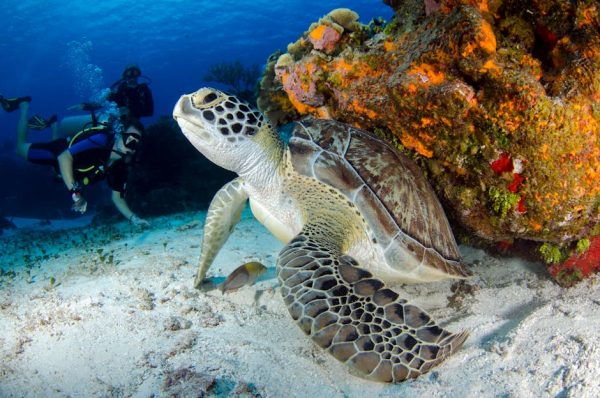
- Sea Turtles: Green turtles and loggerhead turtles are often spotted gliding through the water. It’s a truly magical experience to share their underwater world.
- Stingrays: Keep an eye on the sandy bottoms for southern stingrays, often partially buried, or spotted eagle rays gracefully “flying” through the water.
- Dolphins: While not typically seen while snorkeling, dolphin pods are frequently encountered during boat trips to and from the reefs, especially in areas like the “Key West Dolphin Playground” west of Key West.
- Corals & Sponges: You’ll marvel at the intricate formations of brain coral, the branching structures of staghorn and elkhorn coral (especially in protected areas), and the unique shapes and textures of sea fans and various sponges. These are living animals, so look but don’t touch!
Every trip offers a unique opportunity to witness the incredible biodiversity that makes Key West’s waters so special. For a visual preview of the wonders that await you, visit Our Gallery.
When to Go & What to Expect (Conditions & Safety)
Choosing the right time to snorkel can significantly improve your experience.
- Best Time of Year: The months from April through July generally offer optimal snorkeling conditions in the Keys. During this time, water temperatures average around a comfortable 87 degrees Fahrenheit, and the seas are often calmer. While summer is peak tourist season, it also offers the warmest waters. Winter months (November-March) bring cooler temperatures (around 70-75°F), which might necessitate a wetsuit, but also often clearer waters due to fewer algal blooms. We generally avoid hurricane season (June 1 to November 30) or jellyfish bloom season (late August through early April) if possible, but our captains always monitor conditions closely.
- Water Temperature: In summer, the water is wonderfully warm, often reaching 85 degrees. In winter, it can drop to the low 70s, so consider a wetsuit if you get cold easily.
- Water Clarity: Offshore reefs consistently offer the best clarity, with visibility often exceeding 60 feet. Near shore, visibility can be limited to 20-30 feet on a good day, depending on recent weather and currents.
- Ocean Currents: Currents can be present, especially around jetties and offshore reefs. Our expert captains are always aware of local conditions and will guide you to the safest and most enjoyable spots.
- Safety Tips:
- Reef-Safe Sunscreen: Please use only reef-safe sunscreen. Traditional sunscreens contain chemicals harmful to coral. Look for zinc oxide or titanium dioxide as active ingredients.
- Hydration: The Florida sun is intense! Drink plenty of water before, during, and after your snorkel.
- Environmental Awareness: Never touch or stand on coral, as it is a living organism that can be easily damaged. Avoid disturbing marine life. Our captains will always emphasize these “leave no trace” principles.
- Buddy System: Always snorkel with a buddy.
- Flotation: Even if you’re a strong swimmer, using a flotation device (like a snorkel vest) can conserve energy and make your experience more relaxing.
- Coral Bleaching Note: The Florida Reef has experienced coral bleaching events, particularly in 2023 due to high water temperatures. While some areas have been affected, conservation efforts are ongoing, and many parts of the reef remain vibrant. Our captains know the healthiest spots to take you.
Gearing Up for Your Snorkel Adventure
Having the right gear makes all the difference for a comfortable and enjoyable snorkeling trip.
- Essential Gear:
- Mask: A well-fitting mask is crucial. It should seal comfortably around your face without leaking.
- Snorkel: A quality snorkel will allow you to breathe easily while keeping your face in the water. Dry snorkels, which have a valve to prevent water entry, are popular.
- Fins: Fins help you propel through the water with minimal effort. Shorter blades are often good for maneuverability in shallower areas.
- Flotation Vests: We provide buoyancy compensators (snorkel vests) for all our guests. They’re excellent for relaxing on the surface and conserving energy.
- Renting vs. Bringing Your Own: If you snorkel often, you might prefer your own mask for comfort. However, most tours and rental shops offer high-quality sets. On our private charters, we provide all necessary equipment, including masks, snorkels, and fins, ensuring you have everything you need for a fantastic day.
- Wetsuits in Winter: If you’re visiting during the cooler months (roughly December to March), you might consider a thin wetsuit or rash guard to stay warm, especially for longer snorkeling sessions.
Frequently Asked Questions about Snorkeling in Key West
We often hear similar questions from our guests as they plan their Key West snorkeling adventure. Let’s tackle some of the most common ones.
Is snorkeling in Key West better than Key Largo?
This is a classic debate, and honestly, both offer fantastic experiences, but they cater to slightly different preferences.
- Key Largo’s Focus: Key Largo is famous for John Pennekamp Coral Reef State Park, the first undersea park in the US. It boasts extensive, well-established reefs and the iconic Christ of the Abyss statue. Many consider it a prime diving and snorkeling destination.
- Key West’s Unique Appeal: Key West offers a unique blend. We have the sheer proximity to the main Florida Reef system, with incredible spots like Sand Key and Looe Key. Our backcountry sandbars provide a completely different, serene experience. Plus, you have the added allure of Dry Tortugas National Park, which many consider the pinnacle of Florida snorkeling due to its remoteness and pristine conditions. Key West also offers a lively culture and vibrant atmosphere to enjoy after your time in the water.
“Better” depends on what you’re looking for. If you want a more remote, diverse, and culturally rich experience that combines with other activities, Key West often comes out ahead.
Do I need to be a strong swimmer to snorkel?
Not necessarily! While basic comfort in the water and the ability to swim are certainly helpful, you don’t need to be an Olympic swimmer to enjoy snorkeling.
- Flotation Devices: We provide buoyancy compensators (snorkel vests) for all our guests. These allow you to float effortlessly on the surface, making it much easier to relax and observe marine life.
- Guided Support: On our private charters, our experienced captains and crew are always on hand to offer guidance and ensure your safety. They can provide tips and support, especially for first-timers.
- Shallow Water Options: Locations like the backcountry sandbars offer very shallow, calm waters, perfect for easing into snorkeling or for those less confident in deeper areas. You can often stand in these spots, making it incredibly approachable.
We always prioritize your comfort and safety, ensuring that everyone, regardless of their swimming prowess, can have a wonderful time exploring the underwater world.
Will I see sharks while snorkeling?
It’s a common question, and the answer is yes, you might! But before you get too worried, let’s clarify.
- Commonly Seen Nurse Sharks: The most common shark you might encounter while snorkeling in Key West is the nurse shark. These sharks are generally harmless, docile bottom-dwellers. They’re often seen resting on the seabed or slowly moving along the reef, and they pose no threat to snorkelers unless provoked. Many of our guests find it thrilling to spot these gentle creatures.
- Rare Sightings of Other Species: While rare, other species like small reef sharks might be seen, especially on the offshore reefs. However, they typically keep their distance from humans. It’s highly unlikely you’ll encounter anything aggressive.
- Respecting Wildlife: Our captains are experts in local marine life and will provide guidance on how to observe all creatures, including sharks, from a respectful distance. You’re a visitor in their home!
So, yes, you could see a shark, but it’s usually a calm, fascinating encounter with a nurse shark, making for a memorable story rather than a scary one.
Your Unforgettable Key West Snorkeling Trip Awaits
We hope this guide has painted a vivid picture of the incredible underwater world that awaits you in Key West. From the easy access of shore snorkeling at Fort Zachary Taylor to the vibrant, clear waters of the offshore reefs and the serene beauty of the backcountry sandbars, the options for findy are endless.
While shore snorkeling offers convenience, for a truly immersive and unforgettable experience, venturing out to the pristine offshore reefs is where the real magic happens. Imagine swimming among thousands of colorful fish, gliding alongside sea turtles, and marveling at healthy coral gardens, all in crystal-clear waters away from the crowds.
For a truly personalized day exploring the most pristine spots, a private charter with a local captain is the key. We don’t just take you to a spot; we craft an experience around your group’s desires, ensuring flexibility, comfort, and access to the hidden gems only locals know.
Ready to dive into the best snorkeling Key West has to offer? Let us help you plan your perfect day on the water.