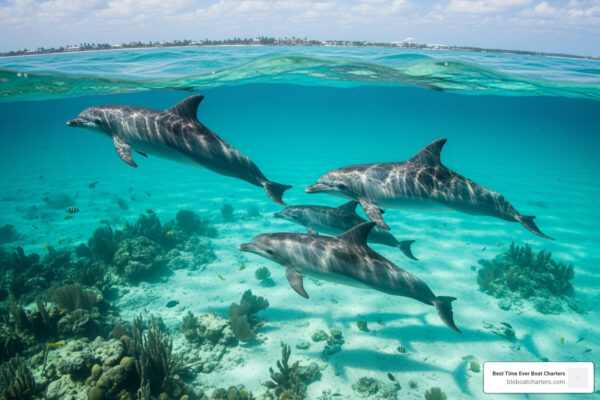

A coral reef is not a colorful backdrop for vacation photos. It is a living, working neighborhood made of tiny animals, sheltering fish, sea turtles, crabs, and countless other species. This coral reef etiquette guide helps you enjoy Key West’s vibrant underwater world while leaving it just as spectacular for the next family, friend group, and future generation.
The good news is that respectful snorkeling does not make the day less fun. It makes it better. When you move calmly, give wildlife room, and let your captain choose the right conditions, you are more likely to see the natural behavior that makes a reef visit unforgettable.
Start With the Right Mindset
Coral may look like rock, but it is made up of delicate living organisms. A single touch, kick, fin scrape, or dropped anchor can damage coral that took years to grow. The rule is simple: look closely, take photos, and leave no trace.
Before entering the water, take a moment to adjust your mask, snorkel, and fins on the boat. A loose fin or a mask that needs constant fixing can distract you at exactly the wrong time. Your captain can also point out the best entry method for the conditions, whether that means stepping in carefully, using a ladder, or floating in first before you begin to swim.
If you are new to snorkeling, say so. There is no prize for pretending to be an expert. A few pointers on breathing, floating, and finning can turn nervous splashing into a relaxed, magical experience.
Coral Reef Etiquette Guide: Keep Your Distance
The best view of a reef comes from hovering above it, not from getting as close as possible. Keep a comfortable buffer between your body, fins, camera, and the coral below. Conditions can shift with wind, current, boat wake, and your own movement, so give yourself more space than you think you need.
Aim to float horizontally, like you are resting on a pool noodle. Keep your knees bent slightly and your fins high behind you. This position helps prevent accidental contact, especially in shallow areas where coral formations may be closer to the surface.
Avoid standing on the reef under any circumstance. If you need a break, signal your captain, use a flotation device, or move into a sandy area only when you have been directed to do so. Sand may seem harmless, but even there, take care not to stir up clouds of sediment that can settle on nearby coral.
Slow Down for Better Sightings
Fast kicking sends you over the reef before you can notice its details. Slow, controlled movements make snorkeling easier and give fish time to resume their normal routines. You may spot a parrotfish grazing, a school of blue tangs moving through the water, or a shy creature tucked into a coral crevice.
Chasing marine life has the opposite effect. Sea turtles, rays, dolphins, and fish should always have a clear path away from people. Never corner an animal between yourself and the reef, another swimmer, or the boat. If it changes direction because of you, you are too close.
Do Not Touch, Feed, or Collect
This is one of the most useful rules in any coral reef etiquette guide: hands off. Touching coral can remove its protective mucus layer and expose it to stress or disease. It can also be unsafe for you. Some marine life stings, bites, or hides sharp spines exceptionally well.
Feeding fish is no better. It may create a dramatic photo moment, but it changes their behavior and can make wildlife dependent on people. Fish belong on the reef doing fish things, not gathering around swimmers for snacks.
Shells, coral fragments, and other natural finds should stay where they are. Even a piece that looks broken or empty may provide shelter, become part of the reef environment, or be protected by local rules. Take home photographs and stories instead.
Use Sun Protection That Respects the Water
A sunny Key West charter calls for sun protection, but what you wear matters. Covering up with a rash guard, wide-brimmed hat, and sunglasses is an easy first line of defense when you are on the boat. It also means you may need less lotion before getting in the water.
When sunscreen is necessary, choose an option designed to be reef-conscious and follow its directions for application time. Labels can be confusing, and no sunscreen label is a free pass to use more than you need. Apply it well before entering the water, avoid aerosol sprays that can blow overboard, and keep the bottle securely stored.
The trade-off is simple: a little more planning before departure means more comfort during a long, beautiful day on pristine waters. Your captain can help you plan shade breaks between snorkeling stops, sandbar time, and cruising.
Give Your Captain the Final Call
One of the best parts of a private charter is flexibility, but flexibility works best when it follows local knowledge. Water clarity, wind direction, tide, current, and boat traffic can change the ideal reef stop from one hour to the next.
A captain may recommend a different location than the one you pictured, shorten time in the water, or ask everyone to stay close to the boat. That is not a compromise on the experience. It is how a well-planned day stays safe, comfortable, and memorable.
Captains also know how to position the boat without damaging sensitive habitat. Never toss an anchor overboard unless you have been specifically directed to do so. Responsible anchoring and mooring practices are a major part of protecting the reefs guests come to see.
Make Photos Without Making an Impact
The Florida Keys offer breathtaking underwater color, and it is natural to want proof of the moment. Bring a secured waterproof camera or phone case, but practice using it before you are above fragile coral. A camera should never pull your attention away from your position in the water.
Keep your hands free when possible, use a wrist strap, and resist the urge to reach toward an animal for a closer shot. Great reef photos often come from patience: hold still, let the fish settle, and capture the scene as it unfolds.
For group photos, choose open water or a sandy area your captain has identified, rather than gathering everyone directly over coral. It is a small choice that protects the reef and gives everyone more room to relax.
Teach Kids and First-Time Snorkelers Early
Families can have some of the most memorable reef days, especially when kids know the rules before their masks go on. Explain that the reef is a home, not a playground. Ask them to point at what they see instead of reaching for it, and pair less confident swimmers with an adult.
Flotation devices can be a smart choice for beginners. They help guests stay calm and horizontal, reducing the chance of standing or kicking downward. For some groups, a shorter first snorkel stop is better than pushing through fatigue. You can always spend the rest of the day at a secluded beach, cruising scenic waters, or celebrating at a sandbar.
Leave the Reef Better Than You Found It
Before the boat heads home, take a quick look around your area. Secure snack wrappers, bottle caps, cups, and any lightweight items that could blow into the water. Even small pieces of trash can be mistaken for food by marine animals.
Respecting a reef does not require a complicated checklist. Float carefully, keep your hands to yourself, give wildlife room, and trust local guidance when conditions call for a change of plan. On a private day with Best Time Ever Boat Charters, those simple habits help protect the vivid reefs, clear water, and unforgettable Key West moments you came to experience.