
A great reef day should begin with a clear view beneath the surface, not a last-minute search for a mask that leaks. When comparing snorkel gear inclusions on a Key West charter, look beyond the word “equipment.” The best experience comes from gear that fits, guidance that inspires confidence, and a crew that knows how to match the plan to the people in your group.
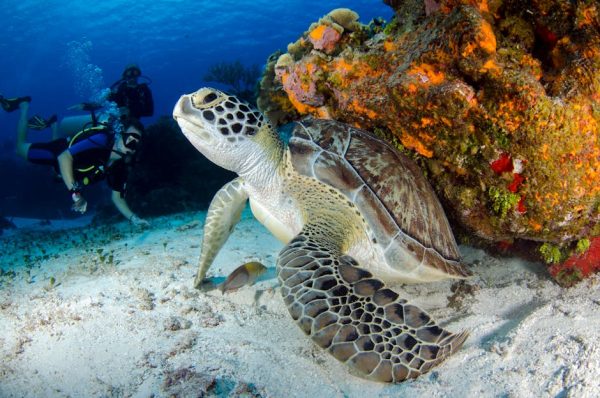
Key West’s pristine waters can reveal vibrant coral reefs, schools of tropical fish, sea fans moving with the current, and the occasional sea turtle gliding past. Having the right essentials ready lets you spend less time figuring things out and more time enjoying the magical part – being in the water together.
What Snorkel Gear Inclusions Should Cover
At a minimum, snorkel gear usually means a mask, snorkel, and fins. Those three pieces create the basic setup, but they do not all matter equally for every guest. A well-fitted mask is the priority because it is what makes the underwater view clear and comfortable. A snorkel helps you breathe with your face in the water, while fins make it easier to move efficiently without tiring out too quickly.
Ask your charter provider whether masks, snorkels, and fins are included for every guest, and whether there are a range of sizes available. This is especially useful for families with children, groups with different shoe sizes, and anyone who has not snorkeled in a while. Gear that is technically available but poorly sized can turn a beautiful reef stop into an uncomfortable one.
Some charters also provide flotation support, such as snorkel vests or noodles. These are not only for beginners. Even confident swimmers may appreciate the option to float, relax, and focus on the reef rather than constantly tread water. For groups with a mix of experience levels, flotation can help everyone enjoy the same stop at their own pace.
Fit Matters More Than Fancy Equipment
The most expensive mask in the world is not useful if it does not seal properly. Before entering the water, guests should have time to try on their mask and make small adjustments. The skirt should rest comfortably against the face, and the strap should be snug enough to hold the mask in place without feeling tight.
A quick fit check is simple: hold the mask gently against your face without using the strap and breathe in slightly through your nose. If it stays in place for a moment, it likely has a workable seal. Hair caught under the mask skirt, sunscreen on the sealing edge, or an overly tight strap can all cause leaks.
Fins should also feel secure without pinching. Full-foot fins are common for warm-water snorkeling and are easy to use barefoot. If you have sensitive feet, unusually wide feet, or a concern about fit, mention it when booking. A little advance planning helps your captain and crew prepare for a more comfortable day.
What About Prescription Masks?
If you wear glasses, do not assume you will be able to snorkel comfortably without a plan. Contact lenses work well for many guests, though you should use normal care when entering and exiting the water. Prescription snorkel masks may be available through some operators, but this is never something to count on unless it has been confirmed in advance.
Bringing your own prescription mask can be worthwhile if clear vision is essential to your experience. It also makes sense for frequent snorkelers who already know the exact style and fit they prefer. For most vacationers, however, standard gear provided on a charter is all they need for a spectacular reef view.
The Gear Beyond the Mask, Snorkel, and Fins
Good snorkel gear inclusions may include a few details that are easy to overlook before the trip. Defog solution or mask-prep guidance can make a major difference, especially in humid Florida Keys conditions. A foggy mask is fixable, but knowing how to prevent it keeps the day moving smoothly.
A properly maintained snorkel vest is another valuable inclusion. It gives guests extra buoyancy at the surface and makes it easier for a captain to manage a group responsibly. If you are traveling with kids, first-time snorkelers, or guests who are nervous in open water, ask specifically about available flotation options and any age or swim-skill recommendations.
For guests who prefer not to wear fins, the decision depends on the location and conditions. Fins offer control and reduce effort, particularly when there is light current. Yet some people feel more comfortable starting without them in calm, shallow water. Your captain can help you choose the approach that feels right rather than pushing everyone into the same setup.
Guidance Is One of the Most Valuable Inclusions
Equipment alone does not create a memorable snorkel stop. Local knowledge does. A captain who understands the day’s wind, visibility, current, and sea conditions can choose a reef or snorkeling area that suits your group. That matters far more than trying to follow a fixed itinerary designed for a large crowd.
Before anyone gets in the water, a helpful briefing should cover how to use the gear, how to clear a little water from a snorkel, where to enter and exit safely, and what to expect at the site. Guests should also understand the plan for staying within the designated area and signaling if they need assistance.
For a private outing, that guidance can be tailored. A family with younger children may want calm water, flotation, and a slower pace. A group of adventurous friends may be ready to spend more time exploring a reef after a sandbar stop. Couples may prefer an unhurried swim followed by a relaxing cruise through breathtaking island scenery. That flexibility is part of what makes a private Key West boat day feel exclusive.
Best Time Ever Boat Charters builds custom days around the conditions and the people onboard, so snorkeling can fit naturally alongside secluded beaches, sandbars, wildlife sightings, and sunset-worthy views.
Clean Gear and Smart Preparation
It is perfectly reasonable to ask how gear is cleaned between uses. Masks and snorkels are shared equipment, and a professional operator should have a clear sanitation process. If you are particularly particular about personal gear, you may bring your own mask and snorkel, provided you confirm that choice ahead of time.
There are a few personal items that are usually not part of snorkel gear inclusions but can improve your time in the water. Reef-conscious sun protection applied well before entering the water, a rash guard for coverage, a towel, and dry clothes for the ride home are all smart additions. A waterproof camera can capture the fun, although guests should use a secure wrist strap and stay focused on their surroundings rather than the screen.
Avoid touching coral, standing on reef structures, or chasing wildlife for a closer photo. Coral is delicate, and the most unforgettable sightings happen when fish, turtles, and other marine life are allowed to move naturally. Floating calmly above the reef is better for the ecosystem and usually better for your view.
Questions to Ask Before You Book
A quick conversation before your charter can prevent surprises. Confirm whether masks, snorkels, fins, and flotation are provided; whether children’s sizes are available; and whether the crew offers a briefing for beginners. It is also wise to ask how the snorkeling location is selected if wind or water conditions change.
If snorkeling is the main reason for your outing, say so when you reserve the boat. Your captain can better shape the route, timing, and pace around that goal. If your group wants a blend of reef time, sandbar relaxation, and sightseeing, share that too. The perfect day is not about checking off the most activities. It is about choosing the mix that leaves everyone smiling when the boat heads back toward Key West.
Bring curiosity, listen to your captain, and give yourself permission to take the first few minutes slowly. Once your mask clears and the reef comes into focus, the Florida Keys have a wonderful way of making the rest of the day feel easy.