
The sandbar was perfect, the water was crystal clear, and your captain just found the sunset angle that made everyone’s photos look incredible. Then comes the dockside question many guests do not think about until the last minute: what should you tip? Charter gratuity etiquette is simple once you know the usual range, what your captain’s work includes, and how to handle a few common exceptions.
A private Key West boat day is more than transportation from one pretty spot to the next. Your captain is reading weather and tides, choosing the right route, keeping the group safe, handling the boat, sharing local insight, and shaping the itinerary around your crew. A gratuity is a direct way to recognize that hospitality and effort.
What Is the Standard Charter Gratuity?
For a private boat charter, a gratuity of 15% to 20% of the charter price is customary for good service. If your captain and crew created an exceptional experience, many guests choose 20% or more.
That range is similar to restaurant tipping, but the service is much more personal. Your captain may have recommended the best sandbar for that day’s wind, adjusted the route to find calmer water for young kids, helped first-time snorkelers feel comfortable, or timed a sunset cruise perfectly. Those details are often what turn a nice outing into the best day of a Key West vacation.
As a simple example, a 20% gratuity on a $1,000 charter is $200. On a $1,500 charter, it is $300. Most guests calculate the tip from the charter rate before sales tax. If there are separate add-ons or charges, such as catering, dockage, or special requests, ask whether those are included in the gratuity calculation or simply tip based on the experience as a whole.
Why Tipping Matters on a Private Boat
A captain-led charter has a lot happening behind the scenes. Before guests step aboard, someone has prepared the vessel, checked conditions, planned a safe route, and made sure the day’s gear and supplies are ready. During the trip, your captain is balancing fun with awareness of changing water, boat traffic, wildlife rules, and everyone’s comfort.
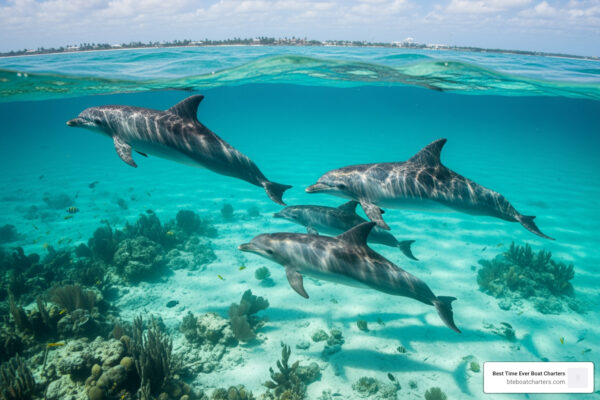
On a snorkeling trip, that may mean selecting a reef with the best visibility and conditions. On a dolphin or wildlife outing, it means knowing where to look while respecting the animals’ space. For a bachelorette party, family celebration, or client outing, it can mean finding the right mix of lively moments and relaxed time to enjoy the scenery.
Private charters are designed to feel effortless for guests. The effort has not disappeared. It is simply being handled by the person at the helm.
When to Tip 20% or More
Twenty percent is a strong, appreciated standard when the service feels attentive, professional, and personalized. Consider tipping above that range when your captain or crew goes noticeably beyond the expected experience.
Maybe they accommodated a last-minute change in plans, spent extra time helping guests get comfortable in the water, kept children entertained, found a secluded beach when a popular sandbar was crowded, or made a special occasion feel genuinely celebrated. A great captain also knows when to give your group space. That easygoing, well-timed hospitality is a real skill.
Larger groups sometimes assume that the tip can stay the same because the boat is privately booked at one price. In practice, more guests often mean more setup, more questions, more hands-on help, and more cleanup. If your group of friends had an unforgettable day, consider the level of service rather than dividing responsibility among everyone afterward.
When a Smaller Tip May Make Sense
Tipping is customary, but it should still reflect your experience. A 15% tip is appropriate for solid service that met expectations without a lot of extra personalization. If service was poor, a smaller gratuity may be reasonable.
Still, it helps to separate issues a captain can control from conditions nobody can. Wind, rain, rough water, seaweed, jellyfish, and changing visibility are part of being on the water in the Florida Keys. A skilled captain may need to alter the plan to keep everyone safe. Choosing a protected route or moving from a reef to a sandbar because conditions changed is often a sign of good judgment, not a disappointing effort.
If something did not feel right, speak with the charter company after the trip. Clear feedback is more useful than silently withholding a tip, especially when there was a service issue that deserves attention.
Does a Captain Get Tipped if They Own the Boat?
Yes, unless the company specifically says gratuity is included or not expected. Guests sometimes hesitate to tip an owner-operator, but ownership does not erase the service provided that day. If that person captained the boat, guided the experience, and took care of your group, standard charter tipping etiquette still applies.
The same goes for a captain working with a mate or crew member. If more than one person served your group, you can usually give one combined gratuity to the captain and ask that it be shared. If the crew structure is explained differently before or during the trip, follow that guidance.
The Easiest Way to Give a Gratuity
Cash is often the simplest option and allows your captain or crew to receive the tip directly at the end of the charter. Bringing an envelope with the amount you plan to tip keeps the moment quick and easy, especially when your group is unloading bags, gathering sunglasses, and saying goodbye at the dock.
If you prefer to use a card or digital payment, ask ahead of time what is accepted. Not every captain handles tips the same way, and it is much easier to know your options before the boat returns to the marina.
For group trips, decide on the gratuity before boarding. One person can collect contributions, or the host can include it in the shared trip budget. This avoids the familiar dockside scramble of everyone checking a phone calculator while the captain is trying to wrap up the day.
Check Whether Gratuity Is Already Included
Always review your confirmation before your charter. Some private boat experiences, special packages, or large-party arrangements may include gratuity automatically. If it is included, there is no obligation to add more, though guests sometimes do for truly standout service.
Do not assume that a service fee, booking fee, tax, or fuel charge is a captain’s tip. Those charges may cover operations rather than hospitality. If the wording is unclear, a quick question before the trip removes any guesswork.
A Few Situations That Feel Tricky
Weather changes are the most common gray area. If a charter is canceled before departure because conditions are unsafe, there is generally no gratuity expected. If the trip goes out and your captain works hard to make a safe alternative plan enjoyable, tip according to the service you received.
If a trip ends early because of an emergency or an unavoidable mechanical concern, use your judgment. Safety decisions should always come first. If the crew handled a difficult situation calmly and professionally, that care still deserves recognition.
For gift certificates, complimentary trips, or hosted corporate outings, base the tip on the regular value of the charter when possible. The captain’s work is the same whether you paid directly or received the experience as a gift.
Let Great Service Be Part of the Memory
The best private charters feel personal because they are. Your captain is not following a crowded tour script. They are building the day around your people, the weather, and the best places the Keys can offer at that moment.
At Best Time Ever Boat Charters, that might mean a peaceful stop at a secluded beach, a lively sandbar afternoon, a reef chosen for the day’s conditions, or a breathtaking sunset shared with the people you came to celebrate. Plan for a 15% to 20% tip, bring it along, and then let the quality of the day guide the final amount. It is a small piece of preparation that lets you step off the boat feeling as relaxed as you did when you stepped on.