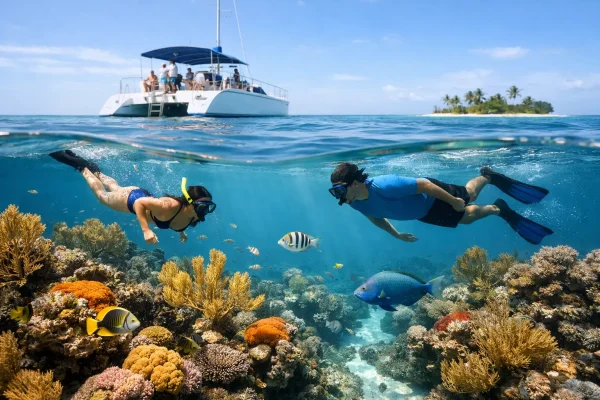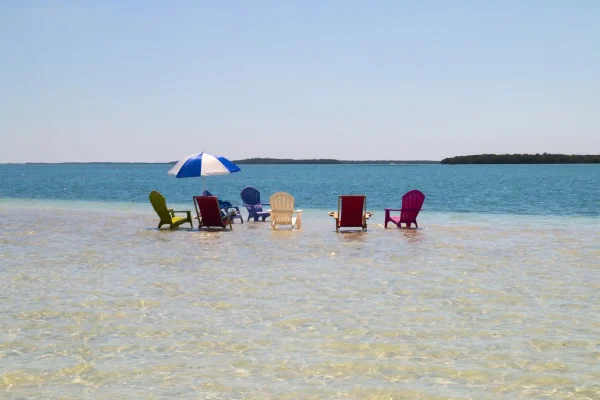

A sunny Key West morning can turn into a breezy afternoon, and a passing shower can disappear before your first beach stop. That is why weather cancellation policies matter when you are planning a private day on the water. The right policy gives your group clarity while leaving the final call where it belongs: with an experienced local captain who understands the conditions beyond the forecast icon.
A private charter should feel exciting, not stressful. Whether you are planning a sandbar afternoon, a reef snorkeling trip, a sunset cruise, or a bachelorette celebration, knowing how weather decisions are handled lets everyone relax and look forward to the best part: getting out on the pristine waters of the Florida Keys.
Why Key West Weather Calls for Flexibility
Key West weather is part of what makes boating here so special. Warm water, bright sunshine, gentle trade winds, and dramatic Gulf sunsets create the setting for unforgettable days. But this is still an island environment, where conditions can change faster than they do inland.
A forecast showing a small chance of rain does not automatically mean a charter is canceled. In the Keys, brief showers are common and often move through quickly. A captain may be able to adjust the route, choose a protected shoreline, shift the timing of a snorkel stop, or head toward clearer skies. On many days, a little flexibility is all it takes to keep the experience beautiful.
Wind, lightning, wave height, visibility, and marine advisories often matter more than a rain percentage. A clear, sunny day can still be uncomfortable or unsafe if strong winds create rough conditions. On the other hand, a cloudy morning may become a calm, magical day for wildlife viewing, island sightseeing, or a dockside lunch cruise.
How Weather Cancellation Policies Should Work
The best weather cancellation policies are simple: safety comes first, and guests receive a fair path forward when weather prevents a safe, enjoyable charter. Because every boat, itinerary, and set of conditions is different, policies can vary by operator. Before booking, ask how the company handles a captain-declared weather cancellation, a guest-requested cancellation, and a trip that needs a route adjustment.
For a captain-declared cancellation, reputable charter companies generally make the decision based on actual marine conditions and safety guidance, not just whether the day looks gray from shore. If conditions make the planned outing unsafe, the usual next step is to reschedule for another available time. If rescheduling is not possible, ask what refund or credit options apply to your reservation.
Guest preferences are a separate consideration. If the boat is safe to operate but your group decides it would rather not go because the sky looks uncertain, standard cancellation terms may still apply. That distinction is worth understanding before you book, especially for larger groups coordinating flights, dinners, and special celebrations.
A clear policy protects everyone. It gives guests realistic expectations and gives captains the authority to make the responsible call without pressure. No sandbar photo, sunset toast, or tightly planned itinerary is worth taking chances in unsafe conditions.
The Captain Makes the Final Call
Your captain sees much more than a weather app can show. Local knowledge includes where wind funnels between islands, which side of an island offers protection, how quickly conditions are building, and whether a reef site will have the visibility your group expects.
That experience is especially valuable in the Florida Keys, where a private itinerary can be tailored on the fly. If the Atlantic side is choppy, the captain may recommend calmer waters. If snorkeling conditions are not ideal, a sandbar stop, mangrove cruise, secluded beach visit, or wildlife-focused route may become the perfect alternative.
At Best Time Ever Boat Charters, that local perspective is part of the private-charter experience. Your day is built around your group, but it is guided by a captain who knows how to make the most of the conditions safely and comfortably.
What Counts as Bad Boating Weather?
Not every weather change requires a cancellation. The key question is whether conditions affect safety or the quality of the experience beyond a reasonable level. Lightning is an obvious concern and can require delaying or ending time on the water. Strong winds can create rough seas, make docking more difficult, and limit access to exposed reefs or open-water destinations.
Marine warnings, hazardous seas, reduced visibility, and tropical weather also deserve serious attention. During hurricane season, travelers should keep an eye on their travel insurance options and stay in touch with their charter company if a named storm or major weather system is developing.
There is also a difference between a trip that cannot run and a trip that needs a better plan. A calm but overcast day may still be wonderful for dolphins, sea turtles, mangroves, and a relaxed cruise through the backcountry. A windy day might rule out one specific reef but still leave room for protected-water sightseeing. Private boating gives your group more options than a fixed, crowded tour schedule.
Questions to Ask Before You Book
A few quick questions can prevent confusion later. Ask when the weather decision is usually made and how guests will be notified. Some conditions are clear well in advance, while others require a same-day call after the captain checks current radar, wind, marine forecasts, and conditions at the dock.
You should also ask whether your group can reschedule, receive a credit, or qualify for a refund if the captain cancels. If your trip is shortened after departure due to weather, ask how that situation is handled. Policies differ, and the answer may depend on how much of the charter was completed and why conditions changed.
For celebration groups, it helps to build a little room into the schedule. Avoid making a charter the only possible moment for every photo, toast, or special activity. If you have a sunset cruise planned, consider booking dinner afterward with enough flexibility to adjust if the departure time changes.
Travelers visiting for only a few days may also want to book their boat day earlier in the trip when possible. That gives you a better chance to move the charter if weather has other plans. It is a small planning choice that can make a big difference.
How to Prepare for a Weather-Dependent Charter
Pack for sun and a surprise shower. Bring a light cover-up, reef-safe sunscreen, sunglasses, and towels, and keep phones or cameras in a waterproof pouch. If your group is prone to motion sickness, plan ahead with the remedy that works best for you. Even on a beautiful day, open water can have some movement.
Stay reachable the day before and the morning of your charter. A charter company may contact you with a suggested departure adjustment, a recommended itinerary change, or an update based on current conditions. Responding quickly helps the captain create the best possible day for your group.
Most of all, arrive with an open mind about the exact route. The Florida Keys are full of spectacular options. The perfect day might mean vibrant coral reefs and clear blue water, or it might mean floating at a calm sandbar, spotting dolphins in the distance, and enjoying a breezy ride past quiet islands.
A Better Mindset for Changing Conditions
Weather does not have to be the enemy of a great boat day. It is simply one part of being on the water. A professional captain’s job is not to force the original plan at all costs. It is to read the day, protect the people aboard, and find the version of the experience that feels safe, comfortable, and memorable.
When you choose a charter company with clear communication and sensible weather cancellation policies, you can plan with confidence. Keep your schedule flexible, trust local guidance, and leave a little space for the Keys to surprise you. Some of the most breathtaking moments happen when the captain takes you somewhere you did not expect to go.