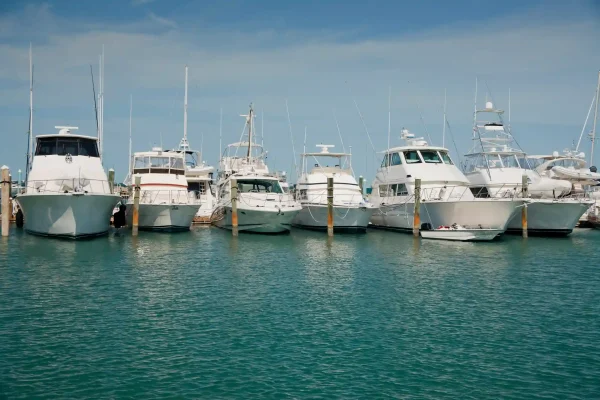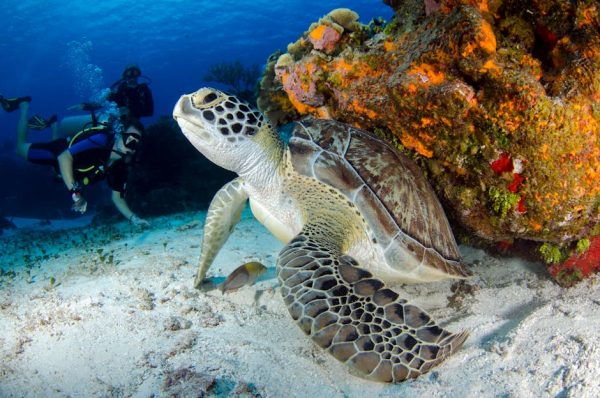

The best time to visit a Key West sandbar depends on the tide, not the clock: sandbars are most exposed at low tide and can disappear at high tide. Plan around that day’s tide chart, bring water shoes and reef-safe sunscreen, and decide between a captained charter (easier, tide-timed for you) or a self-drive rental (more flexible, more planning on you).
Why Tides Matter More Than Time of Day
A Key West sandbar isn’t a fixed beach, it’s a shallow patch of the Gulf that rises and falls with the tide. At low tide, some sandbars expose enough sand to stand or even walk on; at high tide, the same spot can be submerged in several feet of water.
That’s why “the best time to visit” isn’t a set hour, it shifts daily with the tide table, which is exactly why most charter operators build the day’s itinerary around the tide rather than a fixed departure time.
If your group wants a private boat, BYOB-friendly setup, and a sunset that actually feels like your moment (not a shared tour), book your boat charter in Key West at bteboatcharters.com/booking/ or call +1-305-912-2260. Sunset slots are limited and weekend dates fill early, check availability now.
Step 1: Check the Tide Chart Before You Pick a Date
If you’re booking a captained charter, this step is largely handled for you: the operator will time the sandbar stop to the day’s low tide. If you’re renting your own boat, check a local Key West tide chart in advance and aim to arrive within an hour or two of low tide for the best sandbar experience.
Step 2: Decide Between a Private Charter and a Self-Drive Trip
- Private/captained charter: the captain knows which sandbars are exposed that day, handles anchoring, and typically includes gear; the simpler option if you’d rather not plan the logistics yourself.
- Self-drive rental: more flexible on timing and route, but you’re responsible for reading the tide chart, navigating to the sandbar, and anchoring safely.
Step 3: Pack for Sand, Sun, and Water
- Water shoes or sport sandals: many sandbars have grass patches, shells, or small critters underfoot.
- Reef-safe sunscreen: required at many Florida marine parks and just good practice around the reef ecosystem.
- A dry bag for phones, keys, and wallets.
- Drinking water and snacks, unless your charter includes a cooler.
Step 4: Know What a Typical Sandbar Stop Looks Like
Most sandbar visits run one to two hours as part of a longer half-day or full-day trip: often paired with cruising time on the way out, a snorkeling stop nearby, or a sunset run on the way back in. It’s rarely the entire itinerary on its own.
Frequently Asked Questions About Key West Sandbar Trip
What’s the best time of day to visit a Key West sandbar?
Tide matters more than time of day. Sandbars are exposed at low tide and can be partly or fully submerged at high tide, so the best visit windows shift daily with the tide chart rather than following a fixed clock time. Most charter operators plan the trip around that day’s low tide automatically; but it’s worth asking if you’re booking a self-drive rental.
Do I need to book a private charter to visit a sandbar, or can I go on my own?
Both are options. A private charter (captained) takes the guesswork out of timing, navigation, and anchoring, and usually includes gear. Renting your own boat gives you more schedule flexibility but means you’re responsible for reading tide charts and finding the sandbar yourself.
What should I bring on a sandbar trip?
Water shoes or sandals (many sandbars have grass or shell debris underfoot), reef-safe sunscreen, a dry bag for phones and wallets, drinking water, and a cooler with snacks if it’s not provided. A floating cup holder and a waterproof speaker are popular add-ons for group trips.
How long do people typically spend at a sandbar?
Most sandbar stops run one to two hours as part of a longer half-day or full-day charter that also includes cruising time, snorkeling, or a sunset run — rather than being a standalone multi-hour anchor.